
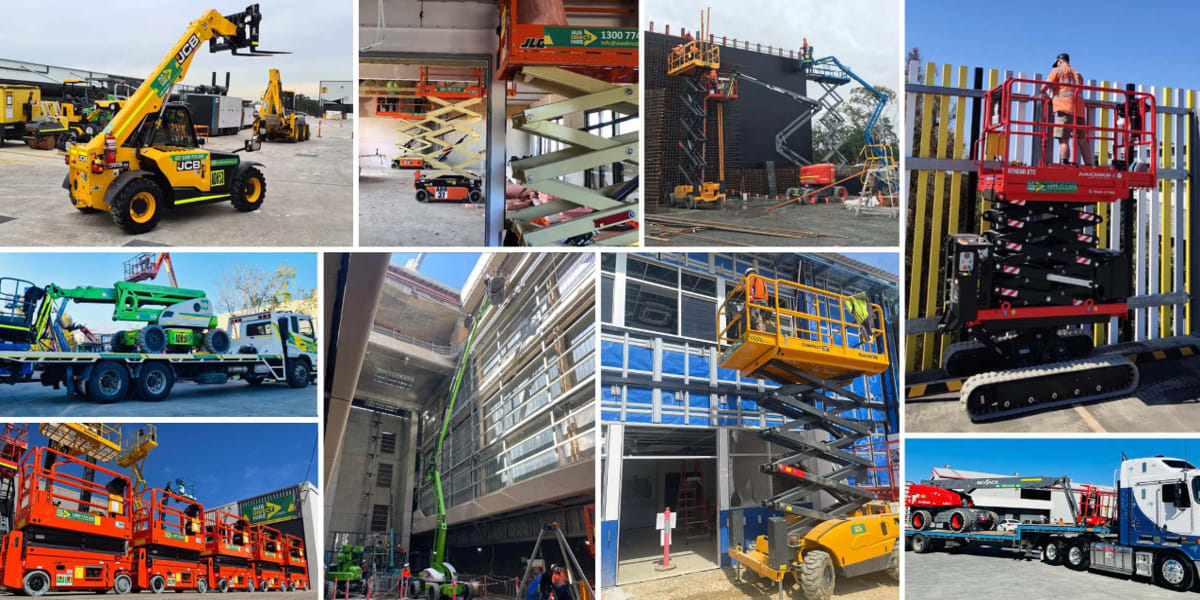
Australia’s rental market has grown into a major economic force. Businesses across the country now rely on hiring equipment instead of buying it. This smart approach saves money and gives companies more control over their projects.
Let’s explore the key facts that make this industry so important.
1. The Industry Is Worth Billions
The equipment hire industry generates billions in revenue each year, with recent data showing the sector now exceeding $10 billion in total value. It has become one of Australia’s most significant service sectors, supporting a wide range of commercial, industrial and community needs.
This growth isn’t driven by one part of the market alone. Small local operators, mid-sized suppliers and major national chains all contribute to the industry’s rising value. As more businesses recognise the cost-efficiency and flexibility of renting instead of buying, demand continues to increase, pushing the sector’s numbers even higher.
Why This Matters
- Big investments flow into modern equipment
- Jobs are created across the country
- Small businesses can compete with larger companies
2. Construction Leads the Demand
The construction sector continues to drive a large portion of Australia’s equipment rental demand, with the market projected to reach USD 1.14 billion by 2029. Because building sites require different machines at different stages, purchasing every piece of equipment would be impractical and costly. Renting offers a flexible, cost-efficient alternative that aligns with the changing needs of each project.
Major infrastructure works also contribute to steady, ongoing demand. Roads, bridges and public facilities all rely on heavy machinery, and equipment hire helps these projects stay within budget. By renting, companies can access the exact machines they need at the right time, supporting smoother workflows and better resource management.
Popular Construction Rentals
- Excavators for digging and earthmoving
- Cranes for lifting heavy materials
- Generators to power tools and lights
- Access platforms for high-reach work
3. Cost Savings Drive Business Decisions
Renting equipment removes the burden of large upfront purchases and ongoing maintenance expenses. Many business owners recognise that tying up capital in machines, especially those that may sit idle between jobs, doesn’t make financial sense. Choosing to hire instead allows them to redirect funds towards staffing, marketing and other areas that support business growth.
Another major advantage is the elimination of maintenance responsibilities. Hire companies in Australia handle all servicing and repairs, reducing both downtime and unexpected costs. This allows businesses to concentrate on their core operations rather than troubleshooting equipment issues, making the rental model a practical and efficient choice.
Financial Benefits
- No large deposit needed
- Fixed rental costs help with budgeting
- Tax benefits make rentals even cheaper
- No depreciation losses to worry about
4. The Hire and Rental Industry Association Provides Support
With over 500 corporate members, the Hire & Rental Industry Association Ltd serves as the key national body representing Australia’s hire sector. The organisation supports businesses through training programs, practical safety guidelines and access to helpful resources and networking opportunities, giving members a solid foundation for operating effectively.
The association also keeps companies updated on new regulations and industry standards. Members can use ready-made templates for rental agreements, explore available insurance options and tap into guidance that simplifies day-to-day operations. This level of support creates a more streamlined and manageable experience for hire businesses across the country.
Member Benefits Include
- Industry advice hotline for quick help
- Workplace relations support services
- Quarterly magazine with industry news
- Annual conventions and networking events
5. Power Tools Are Always in Demand
Both DIY enthusiasts and professionals rely on power tools, but not everyone can justify the cost of purchasing expensive drills, saws and sanders. Rental shops meet this need, allowing weekend warriors to complete home projects without overspending.
Professionals also benefit from renting specialised tools for specific jobs. Owning every possible tool would be costly and impractical. Renting provides access to exactly what is needed for each project, helping manage expenses while maintaining high-quality work.
Common Power Tool Rentals
- Concrete mixers for foundation work
- Pressure washers for cleaning
- Nail guns for framing
- Tile cutters for bathroom renovations
6. Vehicle Hire Expands Business Capabilities
The construction equipment rental market covers earthmoving machinery, material handling vehicles and other specialised tools. Companies often require trucks and trailers to transport materials, but purchasing a full fleet can be costly and risky. Vehicle hire provides the flexibility businesses need without the heavy upfront investment.
Project demands also vary in size and scope. Some months may require three trucks, while others may need none. Rental agreements can easily adapt to these changes, allowing companies to take on a wider range of work without added financial pressure.
Transportation Options
- Dump trucks for hauling materials
- Utility vehicles for site mobility
- Trailers for equipment transport
- Specialised trucks for heavy loads
7. Technology Improves the Experience
Modern equipment often features telematics, GPS tracking and IoT technologies, which give real-time insights into usage and performance. Customers can monitor the location of their rentals at all times and assess how each machine is performing, helping them make informed decisions for current and future projects.
Online booking systems further simplify the rental process. Companies can browse available equipment from their phones, coordinate delivery schedules digitally and complete payments instantly. The result is a seamless, efficient experience that keeps projects running smoothly.
Digital Features
- Real-time equipment availability checks
- Instant price quotes online
- Digital contracts and agreements
- Performance monitoring dashboards
8. Safety Standards Keep Improving
The equipment hire industry places a strong emphasis on safety. All rental machinery must comply with strict standards, and regular inspections identify potential issues before they become hazards. This approach protects workers and helps reduce liability for businesses.
Training programs further support safe operations. Many rental companies provide instruction alongside their equipment, ensuring users understand how to operate machines correctly. Improved safety practices lead to fewer accidents and a more confident, satisfied workforce.
Safety Improvements Include
- Regular equipment maintenance schedules
- Pre-rental safety inspections
- Operator training programs
- Emergency support hotlines
9. Regional Growth Creates Opportunities
New South Wales and the Australian Capital Territory lead the rental market, largely due to extensive infrastructure projects and urban development. However, other regions are quickly catching up, with Queensland and Western Australia showing strong growth, driven in part by mining activities in remote areas.
Rural communities also rely on equipment just as much as urban centres. Farms and agricultural operations need specialised machinery, and local hire shops play a vital role in meeting this demand. Supporting these markets not only helps businesses operate efficiently but also creates jobs in regional areas and strengthens rural economies.
Growing Regional Markets
- Mining equipment in Western Australia
- Agricultural machinery in rural areas
- Event equipment in tourist regions
- Marine equipment in coastal towns
10. Sustainability Shapes the Future
The construction industry is increasingly embracing eco-friendly equipment, with rental companies investing in modern electric and hybrid machinery. Electric excavators produce zero emissions, while hybrid generators consume less fuel, providing greener alternatives for environmentally conscious customers.
Government regulations also encourage the shift towards cleaner technology. Companies that offer sustainable equipment can gain a competitive edge, as many customers seek ways to reduce their carbon footprint. Green rentals allow businesses to access environmentally friendly solutions without making major upfront investments.
Environmental Benefits
- Electric equipment reduces emissions
- Modern machines use less fuel
- Proper maintenance extends equipment life
- Recycling programs for old machinery
Final Thoughts
The Australian equipment hire industry continues to grow and evolve, driven by businesses recognising the benefits of renting over buying. Cost savings, flexibility and access to modern, high-tech equipment make rental an increasingly practical choice, while the industry association provides valuable support to members. Technology has also made the rental process simpler and more efficient than ever.
From large construction sites to home workshops, rental equipment plays a vital role in powering projects across Australia. The industry supports thousands of jobs and contributes to economic growth, and as sustainability becomes more important, hire companies are leading the way with green technology. With these trends in motion, the future looks promising for this dynamic sector.