
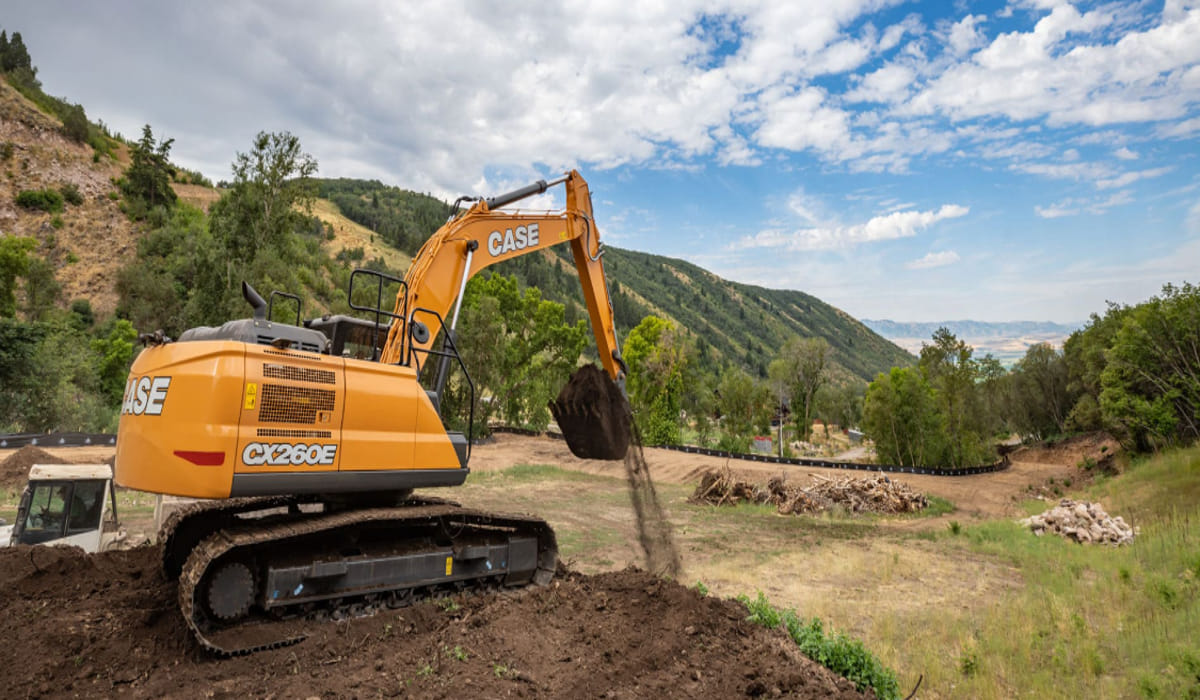
If you work in construction or earthmoving, you’ve probably heard mixed answers about whether you need a licence to operate an excavator. Some say you don’t. Others warn you can get fined if you don’t have one. So what’s the truth?
In Australia, there isn’t a single ‘excavator licence’ that covers all situations, but that doesn’t mean you can operate freely. The law still requires you to be trained, competent and authorised for the work you’re doing. In some cases, you’ll also need a high risk work (HRW) licence or a contractor licence, depending on the task, site and state or territory.
In this guide, we’ll break down when you do and don’t need a licence, what training or tickets you actually need and how the rules differ state by state. If you’re operating plant or planning to, here’s what you must know to stay safe and compliant on site.
Do You Need an Excavator Licence in Australia?
A nationwide ‘excavator licence’ for routine digging or earthmoving doesn’t exist. Under Australia’s Work Health and Safety (WHS) laws, operators must still be trained and competent to use any type of plant or machinery safely.
However, if you use the excavator for high-risk work, such as lifting suspended loads or operating like a crane, you’ll need a high risk work (HRW) licence. So while you don’t need a formal licence for basic earthmoving, training is not optional. Most employers will still ask for a recognised excavator ticket or proof of competency.
Excavator Licence Rules by State and Territory
Australia follows model WHS laws, but each state adds its own twist. Here’s what to expect depending on where you work:
New South Wales
In NSW, you might not need a licence just to operate an excavator, but the rules change if you’re contracting or supervising excavation work.
If you carry out building or trade excavation work valued over $5,000 (labour and materials included), you’ll need a contractor licence from NSW Fair Trading. This applies to anyone running their own excavation business or taking on excavation as part of a construction project.
There are also different licence types depending on your role:
- Individual contractor licence (or endorsed contractor licence) – for individuals who contract directly to do the work
- Company or partnership contractor licence – for businesses offering excavation services
- Qualified supervisor certificate – for those overseeing or managing excavation work
These licences can be issued for 1, 3 or 5 years, depending on your application.
However, if you’re simply operating an excavator as an employee under supervision, a contractor licence usually isn’t required. You still need to complete proper training and hold proof of competency before working on site.
Victoria
In Victoria, you don’t need a specific licence to operate an excavator for standard digging or earthmoving work, but you must be trained and competent.
WorkSafe Victoria highlights that extra rules apply if you use an excavator to lift or suspend loads. The machine must be designed for that purpose, used within its rated capacity and never move loads over people. If the task involves dogging or directing a load that’s out of view, a high risk work (HRW) licence may be required.
For regular operation, most employers expect you to complete RIIMPO320F – Conduct civil construction excavator operations or an equivalent unit through a registered training organisation.
Queensland
In Queensland, you generally don’t need a specific licence to operate an excavator, even when using it in crane mode. However, under WHS laws, the person conducting a business or undertaking (PCBU) must ensure every operator is trained and competent to use the equipment safely.
WorkSafe Queensland explains that competency can be proven through various forms of evidence, such as:
- A certificate issued under the former Workplace Health and Safety Regulation 2008
- A Statement of Attainment in the current or superseded unit RIIMPO320F – Conduct civil construction excavator operations
- A Statement of Attainment in the earlier unit Operate an Excavator (OHSCER205A)
- Verified on-the-job training records or references from previous employers
- Structured in-house training programs, if your workplace has the resources to deliver them
While a formal certificate isn’t legally required, most employers still expect operators to hold a recognised excavator ticket as part of their site induction and compliance checks.
Western Australia, South Australia & Other States
Most other states follow the same rule of thumb:
- No formal licence for standard digging and trenching
- Training and proof of competency required
- HRW licence only needed for crane-like or high-risk tasks
WorkSafe WA, for example, has recently clarified that suspending loads with an excavator may trigger HRW licensing rules.
When You Need an Excavator Ticket or Licence
There are a few situations where a formal licence or ticket becomes mandatory:
- You’re doing high-risk work (lifting loads, crane-type tasks or working at heights)
- Your state requires a contractor licence (like in NSW for high-value building/excavation work)
- Your employer or client asks for a ticket — which is common for insurance and compliance
- You’re using the machine in unusual ways, such as for rigging, demolition or load suspension
In short: if there’s added risk, you’ll almost always need an HRW licence or ticket.
What Training and Certificates Should You Get?
Even if you don’t need a licence, you’ll still need evidence of competency.
The most recognised course is RIIMPO320F – Conduct civil construction excavator operations. This short course covers:
- Safe start-up and shut-down
- Machine control and attachments
- Hazard awareness and site safety
- Operating techniques and maintenance
You’ll receive a Statement of Attainment (often called an excavator ticket) after training. This will be your proof that you can safely and competently operate the machine. Training is available across Australia through Registered Training Organisations (RTOs), often taking 1–3 days depending on your experience.
Quick Checklist Before You Operate an Excavator
- Have you checked your state’s rules?
- Do you have an excavator ticket or Statement of Attainment?
- Are you being supervised if you’re still learning?
- Does your job involve lifting loads or other high-risk tasks?
- Has your employer approved you for that specific machine?
If you answered no to any of the above, pause and get the right training or approval before starting the engine.
The Bottom Line
So, can you operate an excavator without a licence in Australia? Yes, but only if it’s standard, low-risk work and you’ve been properly trained.
Every state has slightly different requirements, so always double-check with your local WHS regulator before starting any job. Getting certified not only keeps you compliant but also makes you more employable and confident on site.Need an excavator for your next project? Contact Quick Hire Group today to hire reliable, well-maintained excavators so you can get the job done safely, efficiently and in full compliance with local regulations.